In today’s connected world, almost every aspect of our lives depends on digital technology. From online banking and shopping to remote work and cloud storage, the internet has made life more convenient than ever. However, this convenience also comes with risks. Cybercriminals constantly look for opportunities to steal personal information, disrupt businesses, and exploit security weaknesses. This is where cybersecurity becomes essential.
Cybersecurity is no longer just an IT concern. It is a necessity for individuals, businesses, educational institutions, and governments. Whether you’re browsing social media, managing business data, or making online payments, cybersecurity helps protect your digital identity and sensitive information.
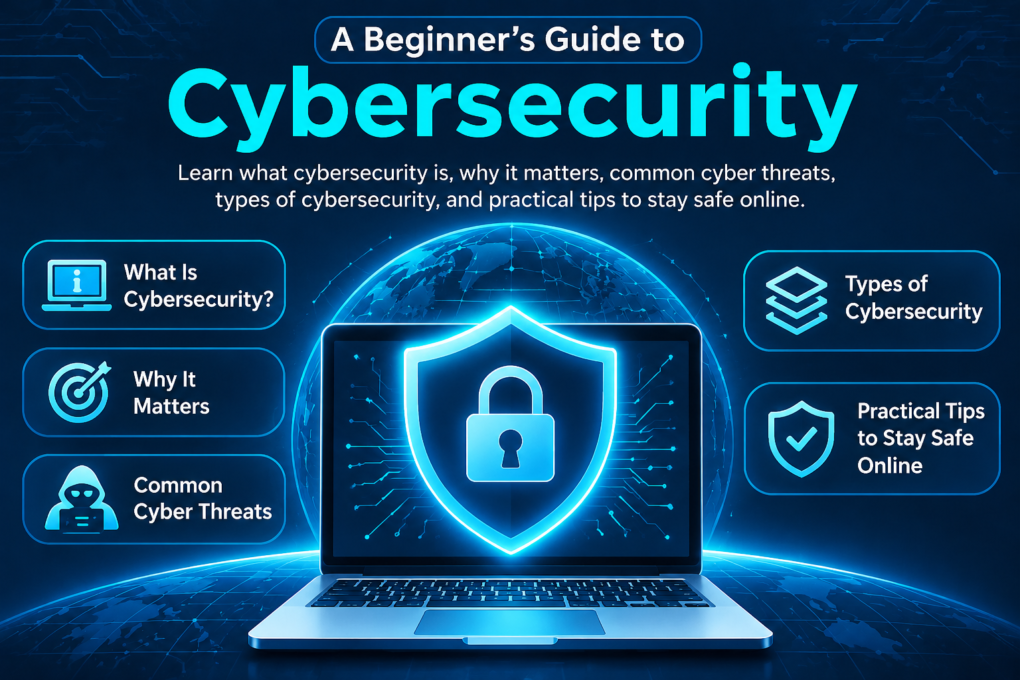
This guide explains what cybersecurity is, why it matters, common cyber threats, and practical ways to stay secure online.
What Is Cybersecurity?
Cybersecurity is the practice of protecting computers, servers, networks, mobile devices, software, and digital data from unauthorized access, cyberattacks, and data breaches.
Its primary objective is to ensure three essential principles:
- Confidentiality – keeping sensitive information private.
- Integrity – preventing unauthorized changes to data.
- Availability – ensuring systems and information remain accessible when needed.
Cybersecurity combines technology, security policies, employee awareness, and best practices to defend against constantly evolving cyber threats.
Why Is Cybersecurity Important?
The digital world continues to expand rapidly, creating more opportunities for cybercriminals. Every connected device becomes a potential target if not properly secured.
A successful cyberattack can lead to:
- Financial losses
- Identity theft
- Data breaches
- Business disruption
- Reputation damage
- Legal consequences
- Loss of customer trust
For businesses, a single security incident may cost thousands or even millions of dollars. For individuals, compromised personal information can result in stolen identities, fraudulent transactions, and privacy violations.
Investing in cybersecurity significantly reduces these risks.
Common Types of Cyber Threats
Understanding common cyber threats helps users recognize and avoid potential attacks.
Malware
Malware refers to malicious software designed to damage or gain unauthorized access to systems. Examples include viruses, worms, spyware, ransomware, and Trojans.
Phishing
Phishing attacks use fake emails, messages, or websites to trick users into revealing passwords, banking information, or other confidential data.
Ransomware
Ransomware encrypts files and demands payment in exchange for restoring access. It has become one of the most damaging cyber threats for businesses and organizations.
Password Attacks
Weak or reused passwords make it easier for attackers to access online accounts through brute-force attacks or credential stuffing.
Distributed Denial-of-Service (DDoS) Attacks
These attacks overwhelm websites or online services with excessive traffic, making them unavailable to legitimate users.
Types of Cybersecurity
Cybersecurity includes several specialized areas that work together to protect digital systems.
Network Security
Network security protects computer networks from unauthorized access, malware, and cyberattacks through firewalls, intrusion detection systems, and secure network configurations.
Information Security
Information security focuses on protecting sensitive data regardless of where it is stored or transmitted.
Cloud Security
As organizations increasingly rely on cloud computing, cloud security ensures data stored on cloud platforms remains protected from unauthorized access and cyber threats.
Application Security
Application security involves identifying and fixing vulnerabilities in software during development and throughout its lifecycle.
Endpoint Security
Endpoint security protects devices such as laptops, desktops, smartphones, and tablets from malware and unauthorized access.
Best Practices for Staying Safe Online
Cybersecurity is everyone’s responsibility. Following simple security practices can greatly reduce the risk of becoming a victim of cybercrime.
Use Strong Passwords
Create unique passwords for every account using a combination of uppercase letters, lowercase letters, numbers, and special characters.
A password manager can help securely store and generate complex passwords.
Enable Multi-Factor Authentication (MFA)
Multi-factor authentication adds an additional verification step beyond a password, making accounts significantly more secure.
Keep Software Updated
Software updates often include security patches that fix newly discovered vulnerabilities. Enable automatic updates whenever possible.
Avoid Suspicious Links
Do not click on links or download attachments from unknown emails or unexpected messages.
Always verify the sender before sharing sensitive information.
Install Reliable Security Software
Use trusted antivirus and anti-malware software to detect and remove malicious threats before they cause damage.
Backup Important Data
Regular backups help recover important files if they are lost due to ransomware attacks, hardware failures, or accidental deletion.
Cybersecurity for Businesses
Businesses face increasingly sophisticated cyber threats. Protecting customer information and business operations requires a comprehensive cybersecurity strategy.
Organizations should:
- Train employees on cybersecurity awareness.
- Implement access controls.
- Regularly update systems.
- Conduct vulnerability assessments.
- Encrypt sensitive information.
- Monitor network activity.
- Develop an incident response plan.
Even small businesses should invest in cybersecurity because attackers often target organizations with weaker defenses.
Emerging Trends in Cybersecurity
Technology continues to evolve, and so do cyber threats. Several trends are shaping the future of cybersecurity.
Artificial intelligence is helping security teams detect threats faster while cybercriminals also use AI to develop more advanced attacks.
Zero Trust Security is becoming a popular security model that assumes no user or device should be trusted automatically.
Cloud security continues to grow in importance as more organizations migrate their infrastructure online.
The Internet of Things (IoT) introduces new security challenges as billions of connected devices require protection.
Why Cybersecurity Awareness Matters
Technology alone cannot stop cybercrime. Human error remains one of the leading causes of security breaches.
Learning to recognize phishing emails, using secure passwords, and following safe online habits are among the most effective ways to reduce cyber risks.
Cybersecurity awareness should become part of everyone’s daily routine, whether you’re a student, employee, freelancer, or business owner.
Conclusion
Cybersecurity plays a critical role in protecting today’s digital world. As cyber threats become more sophisticated, individuals and organizations must take proactive steps to secure their devices, networks, and sensitive information.
By understanding common cyber threats, implementing strong security practices, and staying informed about emerging risks, you can significantly reduce your chances of becoming a victim of cybercrime.
Whether you’re managing a personal computer or running a growing business, investing in cybersecurity is one of the smartest decisions you can make. Staying vigilant today helps ensure a safer and more secure digital future for everyone.
SEO Tips for This Article
- Primary Keyword: Cybersecurity
- Suggested Image ALT Text: Cybersecurity concept showing digital protection, network security, and data privacy.
- Internal Linking Suggestions (pk-360.com):
- AI Tools Reviews
- Online Privacy Tools
- Password Managers
- VPN Reviews
- Cloud Security Guides
- Suggested External References: CompTIA, NIST, CISA, Microsoft Security, Google Safety Center.
What Is Cybersecurity? A Complete Beginner’s Guide to Protecting Your Digital World