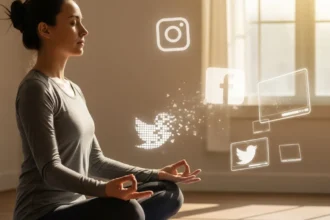
Finding Balance in a Busy World: How Health and Lifestyle Go Hand in Hand. In today’s fast-paced digital age, it’s easy to get caught up in the hustle and bustle of life. Between work, social commitments, and the constant ping of notifications, maintaining a healthy lifestyle can feel like a daunting task. But here’s the thing: true well-being isn’t about perfection – it’s about making small, consistent habits that support both body and mind.
The Connection Between Health and Lifestyle
Health isn’t just about avoiding illness; it’s about physical fitness, mental stability, emotional well-being, and even spiritual balance. Our lifestyle choices – from what we eat and how we move, to how we manage stress and relationships – have a direct impact on our health. A poor lifestyle can lead to chronic diseases, decreased productivity, and a lower quality of life. On the other hand, a mindful lifestyle built on good habits can prevent illness, boost energy, and bring long-lasting happiness.
Let’s Dive into Some Key Areas
Nutrition: Fueling Your Body and Mind
Food is the foundation of health. A balanced diet provides energy, strengthens immunity, and supports brain function. Here are some tips for a healthy diet:
- Choose whole foods: Fruits, veggies, whole grains, and lean proteins are the way to go.
- Stay hydrated: Drink at least 7-8 glasses of water daily to support digestion and detoxification.
- Practice moderation: You don’t have to give up your favorite foods – just be mindful of portion sizes.
- Eat mindfully: Savor your food, enjoy the taste and texture, and avoid eating in front of screens.
Physical Activity: Movement as Medicine
A sedentary lifestyle is one of today’s biggest health risks. Regular exercise doesn’t just shape the body – it also reduces stress, boosts mood, and strengthens immunity. Here are some easy ways to stay active:
- Daily walks: 20-30 minutes of brisk walking can improve heart health.
- Strength training: Building muscle supports metabolism and bone strength.
- Stretching and yoga: Increases flexibility, reduces tension, and improves posture.
- Make active choices: Take the stairs, stand more often, or use a standing desk.
Sleep: The Forgotten Pillar of Health
Many of us sacrifice sleep in the name of productivity, but poor sleep can weaken immunity, reduce concentration, and accelerate aging. Quality sleep is essential for the body’s natural repair and recharge. Here are some sleep hygiene tips:
- Stick to a schedule: Sleep and wake up at the same time daily.
- Create a calm space: Keep your bedroom cool, dark, and screen-free.
- Limit caffeine and screens: Avoid coffee and blue-light exposure before bed.
- Wind down: Reading, meditation, or light stretching can help signal the body that it’s time to rest.
Mental and Emotional Health
Mental health is just as important as physical health. A healthy lifestyle must include practices that reduce stress, increase mindfulness, and promote emotional stability. Here are some ways to support mental wellness:
- Practice mindfulness: Meditation and deep breathing can reduce anxiety.
- Limit information overload: Take breaks from negative news and social media.
- Nurture social connections: Build supportive relationships that uplift you.
- Engage in hobbies and creativity: Painting, writing, or cooking can improve emotional well-being.
Balancing Work, Health, and Relationships
True lifestyle success is not just about self-care, but also about balance. Many professionals struggle to juggle careers, family, and personal health. Here are some tips for achieving balance:
- Set boundaries: Learn to say “no” to tasks that drain your energy.
- Manage your time effectively: Use planners or digital apps to schedule work and rest.
- Prioritize quality over quantity: Spend mindful time with loved ones rather than distracted interactions.
- Take regular breaks: Short breaks at work can improve focus and prevent mental fatigue.
The Role of Technology in a Healthy Lifestyle
Technology can be a powerful tool for supporting health. Fitness apps, wearable devices, and meditation platforms can help track progress and build better habits. However, excessive screen time can lead to eye strain, poor posture, and digital addiction. Here are some smart tech habits:
- Use apps for good: Track your steps, hydration, or workouts.
- Schedule digital detox time: Take breaks from screens to reduce stress.
- Follow credible health sources: Get reliable advice from trusted websites and blogs.
Small Changes, Big Results
Health and lifestyle are two sides of the same coin. By making small, consistent changes to your daily habits, you can create a lifestyle that supports lifelong wellness. Start small – drink more water, take a daily walk, or practice mindfulness. These micro-habits can add up to big transformations. A balanced lifestyle doesn’t just add years to your life – it adds life to your years
Conclusion:
Achieving balance in life is a journey, not a destination. By prioritizing your health and well-being, you can create a lifestyle that supports your overall wellness. Remember, small changes can add up to make a big difference. Start with one or two habits and build from there. With time and consistency, you’ll be on your way to a healthier, happier you.
Final Thoughts:
- Focus on progress, not perfection
- Make healthy habits a part of your daily routine
- Prioritize self-care and stress management
- Nurture your physical, mental, and emotional well-being